ESC 2026 Congress Highlights – Day 3 Updates

Day 3 Updates: Artificial Intelligence & Novel Therapeutics Welcome back to our ongoing coverage of the ESC 2026 Congress in Munich. Our Day 3 updates highlight the transformative role of artificial intelligence in cardiac magnetic resonance imaging and novel therapeutic strategies targeting the renin-angiotensin-aldosterone system[cite: 4]. You will also find comprehensive analyses on the use […]
ESC 2026 Congress Highlights – Day 2 Updates

Day 2 Updates: Expansive Cardiometabolic Care Welcome to the second day of our exclusive coverage from the ESC 2026 Congress in Munich. The Day 2 updates focus on pragmatic approaches to hypertension management in an era of ever-changing targets and guidelines. Dive into the real-world evidence supporting renal denervation for high-risk cardiovascular patients, and explore […]
ESC 2026 Congress Highlights – Day 1 Updates

Day 1 Updates: Breakthroughs in Cardiovascular Care Welcome to our exclusive coverage of the ESC 2026 Congress in Munich. Our Day 1 updates bring you the latest evidence-based breakthroughs in cardiovascular care. Explore the newly released 2026 ESC Guidelines for the Management of Heart Failure and Chronic Kidney Disease. You will also discover the 5th […]
Zimbabwe Scales Up Malaria Vaccine Programme to Combat Seasonal Surges

Zimbabwe’s Ministry of Health and Child Care prepares to integrate the R21 malaria vaccine into routine immunisation to protect vulnerable children.
WHO Launches Generative AI Resource to Optimise Global Health Literacy

The World Health Organization unveils S.A.R.A.H., a generative AI avatar providing 24/7 health guidance to combat non-communicable diseases globally.
WHO Proposes Global Regulatory Standards for Artificial Intelligence in Clinical Practice
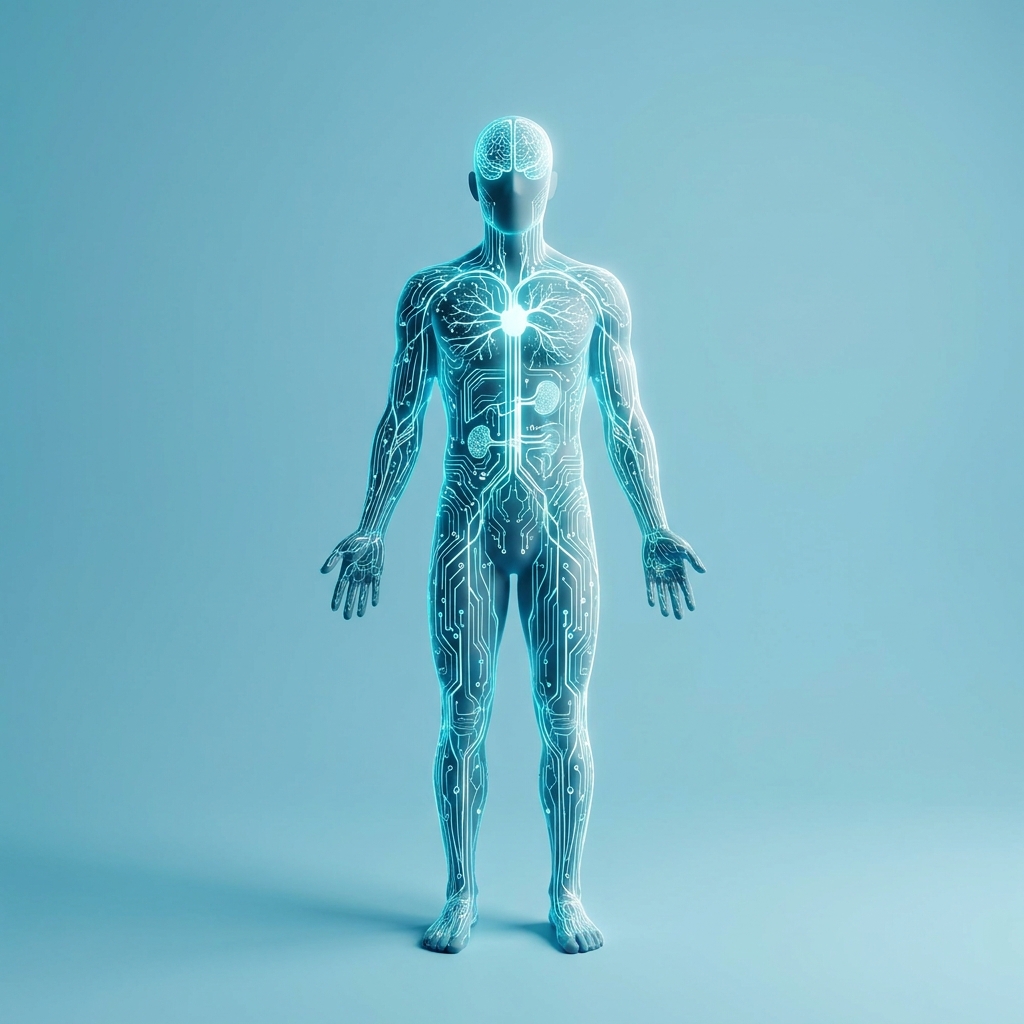
The World Health Organization has issued a new framework to ensure that artificial intelligence in medicine adheres to rigorous safety and ethical standards.
WHO Endorses AI-Integrated Diagnostic Tools for Global Tuberculosis Screening Programmes
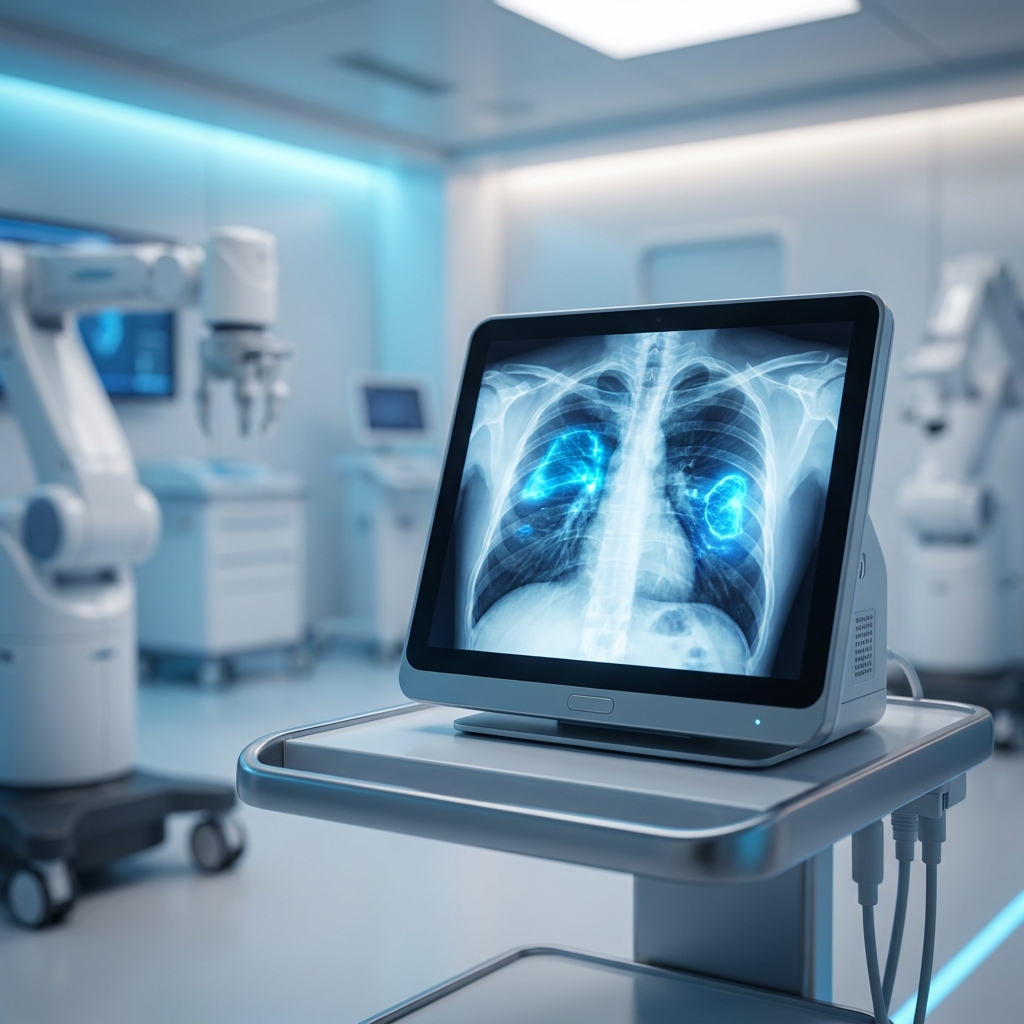
The World Health Organization has issued new guidance standardising the use of AI-powered computer-aided detection for tuberculosis in low-resource regions.